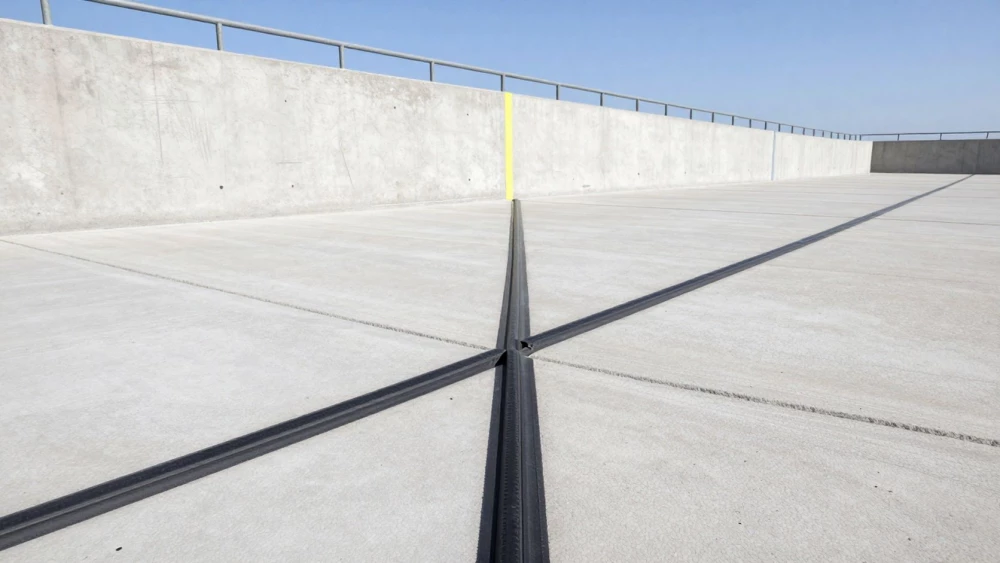
Structural Movement Joints
Get in TouchAt Expansion Joints, we specialise in providing structural movement joints to accommodate building expansion and contraction. These joints are crucial in ensuring the longevity and safety of structures by absorbing stress caused by thermal changes, seismic activities and other forces.
Our solutions are suitable for various building materials including concrete, steel, and masonry, covering and the surrounding postcode area. Contact us today to discuss your requirements and get a quote.
How Much Do Structural Movement Joints Cost?
The cost of installing structural movement joints typically ranges from £150 to £350 per metre, depending on the complexity of the project and materials used. Factors affecting price include the type of materials required, the height and width of joints, and any additional waterproofing measures.
We offer various materials such as rubber, metal, and composite options, each with distinct benefits. The selection of materials can also influence the project's thermal and acoustic performance.
Installation complexity can vary based on the building's structural design and the expansion and contraction rates specific to the site conditions. Compliance with standards like BS EN 1991 for structural stability is essential to ensure safety and durability.
For an accurate quote, please get in touch with our team who can provide a tailored solution to fit your budget.
Book Structural Movement Joints Today
What Types of Structural Movement Joints Are Available?
We offer several types of structural movement joints:
Seismic Joints: Designed to accommodate seismic shifts and prevent structural damage during earthquakes.
Thermal Expansion Joints: Used to absorb the expansion and contraction caused by temperature fluctuations.
Waterproof Joints: Incorporate seals to prevent water ingress and are ideal for external applications.
Fire Barriers: Provide fire resistance between structural gaps, slowing the spread of fire.
Each type can be customised to fit the specific requirements of your project. Contact us to learn more about which option best suits your needs.
How Long Does It Take to Install Structural Movement Joints?
Installation of structural movement joints typically takes two to five days, depending on the size and scope of the project. Weather conditions and site accessibility can also impact the timeline.
We employ a variety of techniques and materials, including compressible fillers and neoprene seals, to ensure optimal performance and durability of the joints. Detailed site assessments are conducted before installation to identify potential challenges and customise the installation plan accordingly.
Our team uses specialised equipment, such as joint cutters and expansion joint covers, to ensure precise fitting and alignment. All our installations comply with BS EN 13670 standards to guarantee structural safety and resilience.
We aim to complete the job efficiently while maintaining the highest quality standards, ensuring the stability and longevity of your structure. Contact us today to discuss your project requirements.
What Are the Benefits of Structural Movement Joints?
Implementing structural movement joints offers several benefits:
Structural Integrity: They help maintain the building's structural integrity by preventing stress-related damages that can occur due to thermal expansion and contraction. These joints adhere to standards such as BS EN 1998 for seismic design, ensuring they perform under various stresses.
Flexibility: These joints are essential for accommodating natural movements caused not only by temperature changes but also by wind loads and soil settlement. Materials like neoprene or PTFE are commonly used due to their elasticity and resilience.
Durability: Structural movement joints are designed to withstand harsh weather conditions including heavy rain, wind, and temperature extremes, which enhances the longevity of the structure by minimising wear and tear over time.
Safety: By reducing the risk of structural failures, these joints ensure the safety of occupants and users. They are a critical component in high-rise buildings and public facilities where large-span construction is employed.
Incorporating these joints into the building design not only ensures compliance with relevant construction codes but also contributes towards a building's overall performance and lifespan.
Why Choose Expansion Joints for Structural Movement Joints?
Choosing Expansion Joints ensures you receive expert solutions tailored to your needs. We use industry-standard techniques, such as thermoplastic vulcanizate (TPV) and extruded aluminium profiles, and high-grade materials, including polychloroprene and ethylene propylene diene monomer (EPDM), to provide durable and effective structural movement joints.
Our installations follow rigorous safety standards, such as the BS 6093:2006 code of practice for joints, encapsulating best practices in design and implementation. The use of sealing methods, like silicone gel and impregnated foam tapes, addresses all types of structural demands, from thermal expansion to seismic activity.
Our projects typically cater to commercial buildings, bridges, and high-rise structures, ensuring that they can accommodate various environmental conditions. Our team's expertise in the field guarantees that each installation meets stringent safety and quality standards.
Get in touch with us today to discuss your project.
Speak to a Structural Movement Joints Expert
Frequently Asked Questions
How do I maintain structural movement joints?
Regular inspections and timely repairs are essential for maintaining structural movement joints. Ensure that seals are intact and replace any weathered components.
Our team can offer maintenance services specific to your needs.
How long do structural movement joints last?
Typically, structural movement joints last 20 to 30 years. Their lifespan depends on environmental conditions and usage.
Proper maintenance can extend their durability.
Which areas do you cover for structural movement joints in ?
We cover and the surrounding area, offering services to local and regional clients. Contact us to discuss your specific location needs.
What is involved in the installation process?
The installation process involves site assessment, preparation of materials, and fitting of the joints. Detailed planning ensures effective integration into the building structure.
Are structural movement joints suitable for residential buildings?
Yes, structural movement joints are suitable for both residential and commercial buildings to prevent structural damage and maintain safety.
Get a Free Quote for Structural Movement Joints
Contact us today to arrange a free quote for structural movement joints. Our team is ready to assist you with tailored solutions for your project requirements.