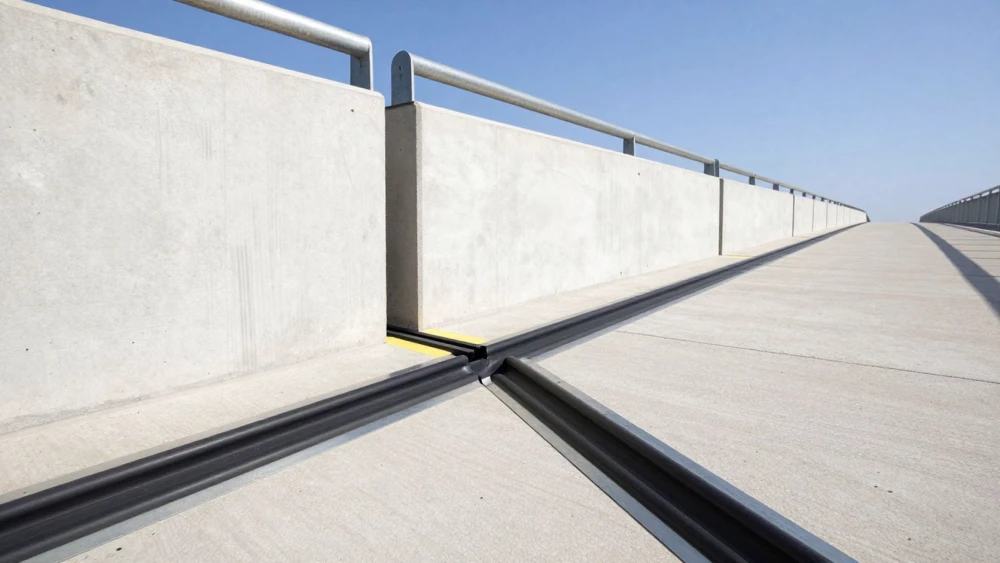
Bridge Expansion Joints
Get in TouchAt Expansion Joints, we specialise in providing top-quality bridge expansion joints, ensuring the longevity and stability of your infrastructure. Our products are designed to accommodate the natural movements of structures, such as thermal expansion, contraction, and seismic activity.
We cater to a wide range of clients, offering solutions that fit various bridge types and dimensions. Serving the postcode area, we pride ourselves on our commitment to excellence and tailored solutions.
How Much Do Bridge Expansion Joints Cost?
Bridge expansion joints typically cost between £100 and £300 per metre. The final cost depends on several factors, including the type of joint and the size of the bridge.
Materials play a crucial role in price variation, with options like elastomeric, modular, and finger joints each having different costs. Elastomeric joints, often used for their flexibility and ability to handle thermal movement, might cost less than modular joints, which can accommodate larger displacements and rotations.
Additionally, finger joints, designed for larger structural gaps, can add to the cost.
Installation complexity and site accessibility can also affect the overall price. Accessibility issues may require specialised equipment such as cranes or scaffolding, impacting both time and cost.
Regulatory compliance, including meeting BS EN 1337 standards for bridge components, is another factor that may influence the budget. For a detailed assessment, contact us today to discuss your project requirements.
Book Bridge Expansion Joints Today
What Types of Bridge Expansion Joints Are Available?
We offer a wide range of bridge expansion joints to suit various project needs, carefully selected to meet the specific demands of each structure and its movement expectations:
Elastomeric Joints: Provide flexibility and help accommodate temperature-induced movements. These joints comply with BS EN 1337 standards, ensuring durability in variable climates.
Modular Joints: Suitable for larger movements, commonly used in bigger structures. Modular joints can manage movements up to 1000 mm and are often installed on multi-span viaducts.
Finger Joints: Allow smooth transitions for vehicles while accommodating large expansions. Constructed from robust steel materials, they are ideal for high-traffic bridges requiring minimal maintenance.
Sliding Plate Joints: Ideal for bridges with small to medium movements, offering low maintenance. These joints are designed to handle differential movements between bridge segments.
Each type is selected based on the specific requirements of the bridge and the expected movement range, ensuring long-lasting performance and structural integrity. Contact us to discuss your project needs in detail.
Which Bridge Expansion Joint Is Best for My Project?
Choosing the right bridge expansion joint depends on factors such as bridge size, expected movement, and budget. Additionally, local climate conditions and maintenance requirements play a crucial role.
Elastomeric Joints: Constructed from flexible neoprene or natural rubber, they are ideal for small to medium movements, such as those typically found in pedestrian bridges or light vehicular bridges. They can accommodate movements of up to 100 mm.
Modular Joints: Comprising multiple interlocking steel or aluminium sections, these are best suited for large spans and heavy loads such as multi-lane highways, enabling movement capacity from 100 mm to over a metre. They also meet AASHTO standards for fatigue resistance.
Finger Joints: Made from steel plates with interlocking fingers, they are perfect for accommodating large expansions in high-traffic areas, such as urban motorway flyovers, handling movements ranging from 100 mm to around 1.5 m.
Understanding these differences helps in selecting the appropriate joint to enhance bridge performance and safety. Call us today to discuss your project needs with our experts.
How Long Do Bridge Expansion Joints Last?
Typically, bridge expansion joints last between 20 to 30 years, depending on factors like material choice and maintenance frequency. For example, joints made from ethylene propylene diene monomer (EPDM) rubber are resistant to ozone and weathering, while stainless steel components offer corrosion resistance.
Regular inspections using ultrasonic testing and visual surveys can identify wear and tear before it becomes a significant issue. Timely repairs, such as sealing cracks and replacing worn parts, play a crucial role in extending the service life of the joints.
Environmental elements such as temperature fluctuations, which can cause expansion and contraction, and pollution levels can also impact durability by accelerating material degradation. Adhering to standards like BS EN 1337 ensures the joints meet quality and safety requirements.
With our expert guidance, you can maximise the longevity of your expansion joints, ensuring optimal performance and safety.
What Are the Benefits of Bridge Expansion Joints?
Bridge expansion joints offer several benefits for structures:
Accommodate Movements: They effectively address thermal expansion and contraction by incorporating flexible materials such as elastomeric and rubber layers, allowing the bridge to expand and contract without causing structural damage.
Enhance Longevity: By reducing stress on the structure, these joints distribute loads evenly across the bridge's surface, preventing premature cracking and extending the lifespan of the bridge.
Increase Safety: Smoother vehicular movement is ensured through the use of modular joints, which provide a consistent driving surface and reduce the impact loads from traffic.
Minimise Maintenance: They are designed to withstand environmental wear and tear, with coatings like galvanisation or epoxy to protect against corrosion from de-icing salts and moisture. Additionally, their modular design facilitates easier inspections and replacements, reducing the frequency and cost of upkeep.
These benefits contribute to the overall durability and reliability of the bridge infrastructure.
Why Choose Expansion Joints for Bridge Expansion Joints?
Choosing Expansion Joints for your bridge expansion requirements ensures expert solutions tailored to your needs. Our team brings comprehensive knowledge and experience to the table, ensuring each project is handled with precision.
We use high-grade materials such as stainless steel and neoprene that comply with BS EN 1337-3 and AASHTO specifications, ensuring high performance and longevity.
To accurately accommodate thermal expansion and contraction, we employ technologies like seismic isolation bearings and strip-seal expansion joints. These components are crucial for preventing potential damages such as cracking or misalignment.
Our solutions cater to both vehicular and pedestrian bridges and can accommodate various movement ranges depending on the bridge structure.
Quality is prioritised, with our installations undergoing rigorous tests to adhere to ISO quality standards. Our focus on durability ensures that clients receive the most effective and long-lasting solutions for their bridge infrastructural needs.
Contact us today to discuss how we can support your project.
Speak to a Bridge Expansion Joints Expert
Frequently Asked Questions
How do I maintain bridge expansion joints?
Regular maintenance involves inspections, cleansing to remove debris, and checking for seal integrity. Prompt repairs as needed enhance performance and longevity.
Can bridge expansion joints handle seismic activity?
Yes, many of our joints are designed to accommodate seismic movements, reducing stress on the structure during such events.
How soon can installation begin in ?
Typically, after agreement, we can begin installation within three to four weeks, depending on project size and specific requirements.
What is the typical installation time for bridge expansion joints?
Installing bridge expansion joints varies by project but generally takes one to two weeks, depending on bridge size and joint type.
Which areas do you cover for bridge expansion joints?
While we concentrate on the and areas, our services extend to surrounding towns and cities, ensuring thorough coverage.
Get a Free Quote for Bridge Expansion Joints
Contact us today to explore our bridge expansion joint solutions. Our team is ready to provide a customised quote and expert guidance for your project.